Curiosity Blog, Sols 4798-4803: Back for More Science
- The NASA Mars rover Curiosity has returned to the “Nevado Sajama” drill location on Mars, where it conducted a series of scientific experiments using its Sample Analysis at Mars (SAM) instrument suite.
- During this visit, Curiosity used a chemical reagent called tetramethylammonium hydroxide (TMAH) to analyze the minerals and compounds locked in the rock sample, which was collected from a drill hole.
- The rover also conducted additional science observations, including targeting the interior of another drill hole, analyzing rocks exposed by the wheels, and measuring the chemistry of the Martian atmosphere.
- Curiosity’s instruments, such as the Mast Camera (Mastcam), Navcam, RAD, and REMS, made various measurements and observations to complement the SAM analysis and provide a more comprehensive understanding of the Martian environment.
- The rover is now awaiting results from the first part of the SAM analysis and plans to run the second part over the weekend, with additional science experiments scheduled for future visits to the “Nevado Sajama” drill location.
2 min read
Curiosity Blog, Sols 4798-4803: Back for More Science
Written by Michelle Minitti, MAHLI Deputy Principal Investigator
Earth planning date: Friday, Feb. 6, 2026
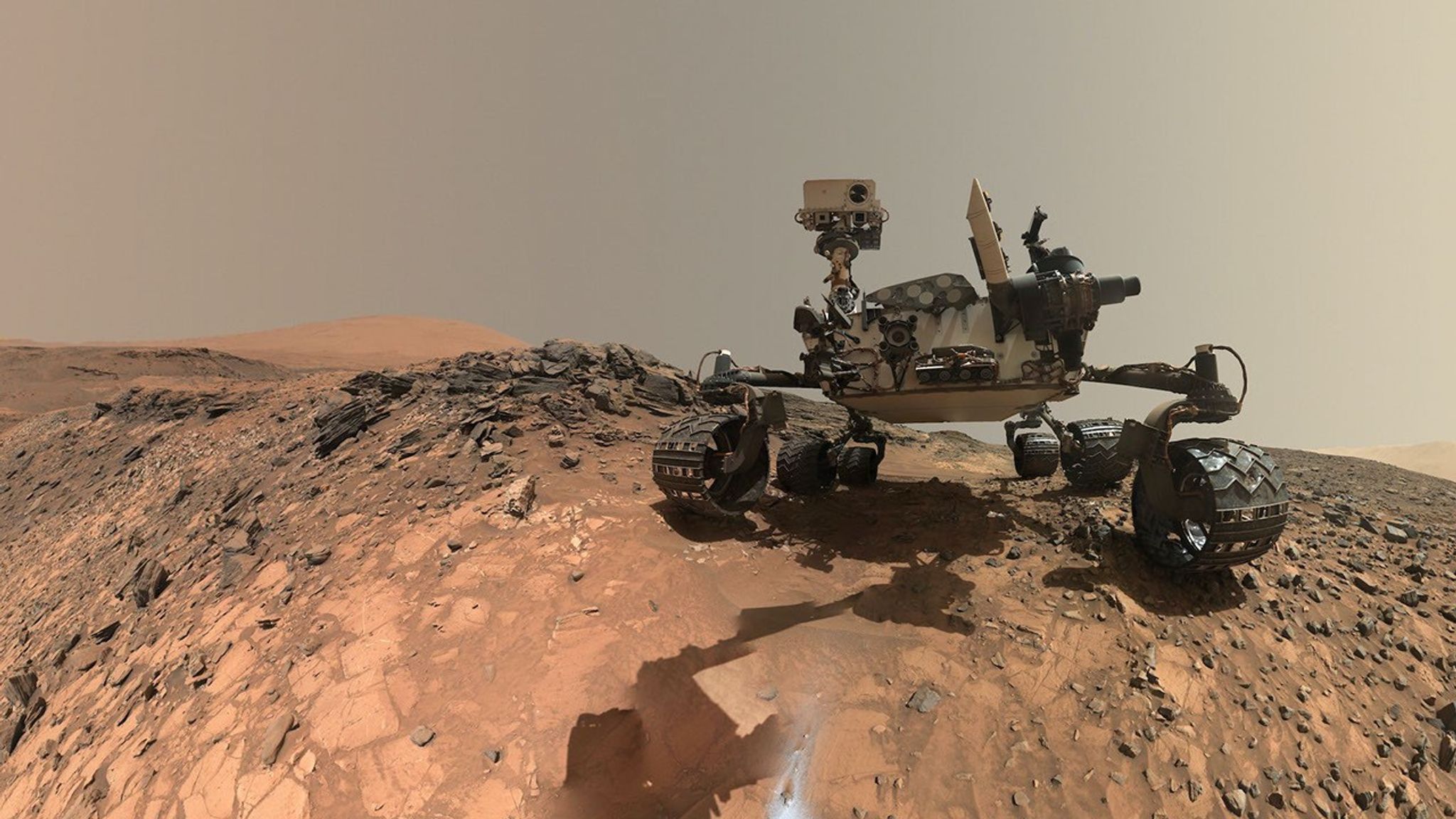
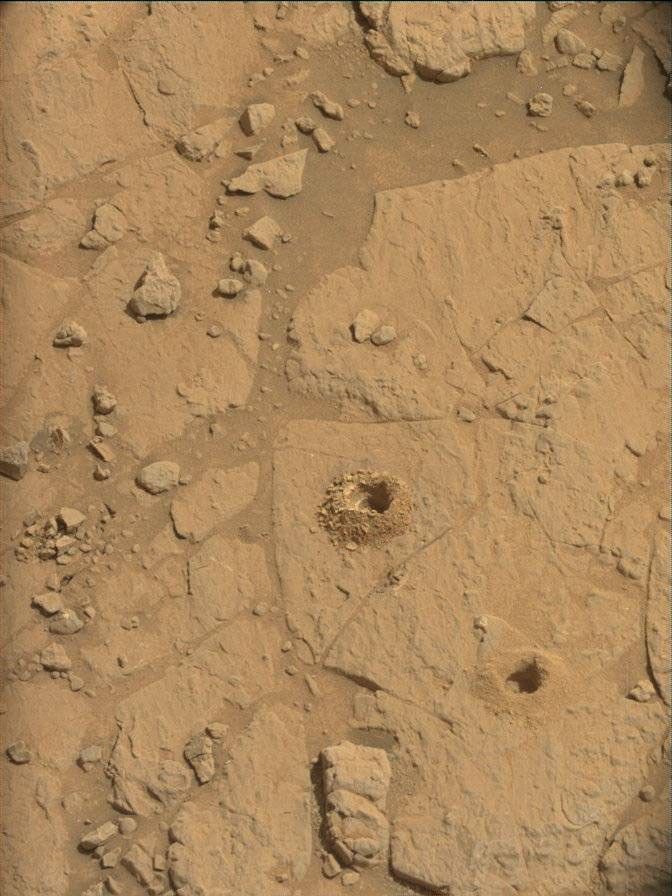
The results from our first visit to the “Nevado Sajama” drill location were intriguing enough to motivate our return to do a deeper dive into the minerals and compounds locked in this rock with SAM (the Sample Analysis at Mars instrument suite). As explained in the last blog, that deeper dive involves using the second of two vials of a chemical reagent, tetramethylammonium hydroxide (TMAH), that helps makes molecules detectable to SAM that would otherwise be undetectable. This week was focused on completing the many carefully-coordinated steps to apply the TMAH reagent to the rock powder from a drill hole and then analyze the treated sample. As you can see in the image above, we know the drilling necessary to collect the sample was successful, as was delivery of the sample to SAM. We are awaiting word about the first part of the SAM analysis, and are running the second part in the weekend plan.
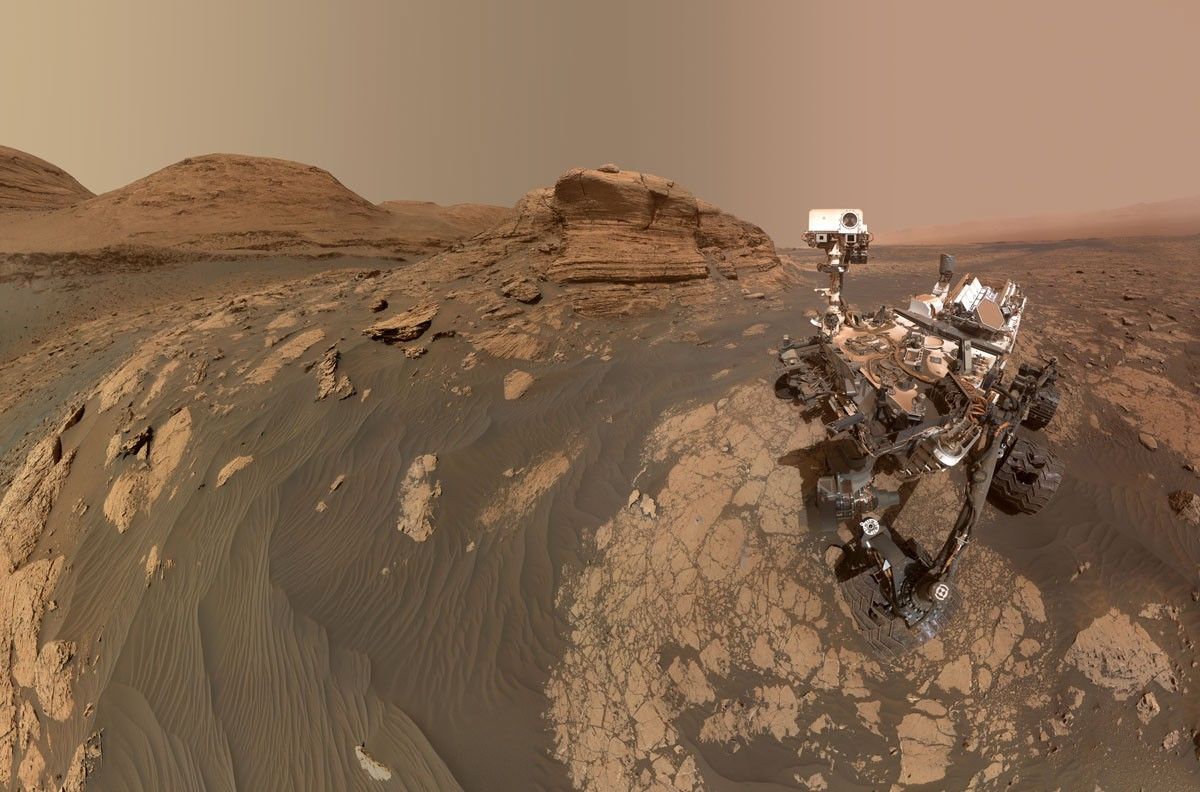
As you can imagine, running a mass spectrometer and chemistry experiment remotely on another planet takes a lot of energy, but throughout the week, the team took advantage of whatever spare power there was to include additional science observations. ChemCam planned two attempts at targeting the Nevado Sajama2 drill-hole interior, analyzed “Tiquipaya,” one of the family of rocks broken by the rover wheels that expose bright white material, and measured the chemistry of the atmosphere with a passive sky observation. They also planned an RMI mosaic of layers near the base of the “Mishe Mokwa” butte to our east. MAHLI and APXS paired up to image and analyze the ground-up tailings around the drill hole for the most direct measure of chemistry of what SAM analyzes. As Mastcam acquired a full 360-degree mosaic the first time we were at Nevado Sajama, they did not have many rock observations to plan. Instead, they turned their eyes toward the sky to measure the amount of dust in the atmosphere. Navcam made complementary measurements of atmospheric dust and planned movies and imaging surveys of clouds and dust devils. Ever watchful, RAD and REMS made their regular measurements of the Martian environment while DAN regularly monitored the Martian subsurface.